Modern kitchens today are moving toward simplicity, softness, and a feeling of everyday calm. Many homeowners are exploring modern Japanese kitchen designs because they combine clean lines, natural materials, and quiet storage solutions that feel gentle and practical at the same time. Japanese kitchens are built around smooth cooking routines, thoughtful layouts, and minimal visual noise. Whether you live in a small city apartment or a bright open-plan home, these designs bring a sense of order and warmth to daily life.
What makes modern Japanese kitchen designs especially appealing is their connection to nature. Soft wood tones, linen textures, and simple surfaces create a kitchen that feels peaceful and grounded. Pinterest searches, IKEA layouts, and Japandi inspiration boards all show a consistent pattern. Kitchens are becoming places where slow living, warm meals, and quiet moments can exist together. From Japanese kitchen design for small spaces to calm Japandi kitchen design ideas, these trends focus on gentle color palettes, easy storage, and tactile materials. They help shape kitchens that feel timeless instead of trendy.
10 Modern Japanese Kitchen Designs for Calm Living
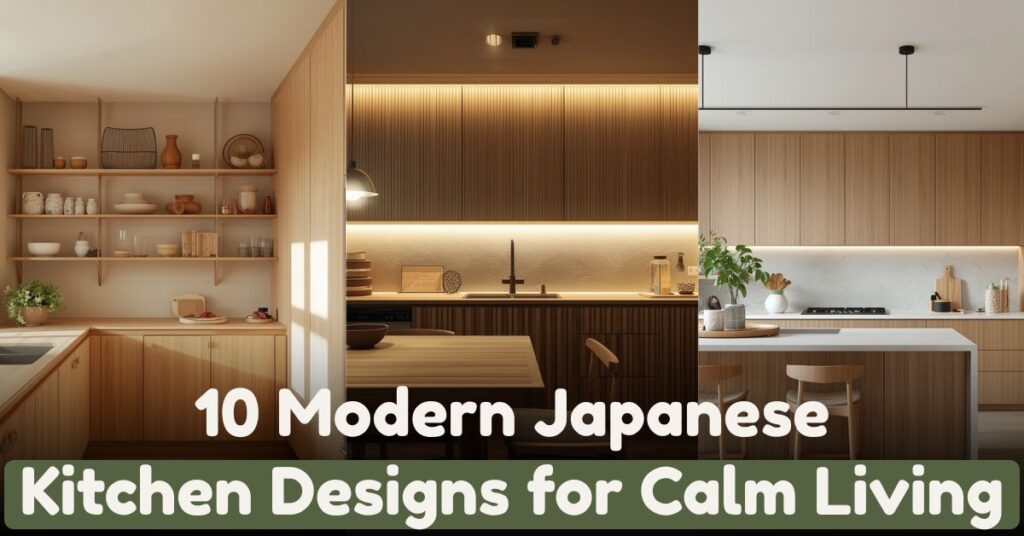
Table of Contents
1. Natural Wood Provides Warmth and Balance

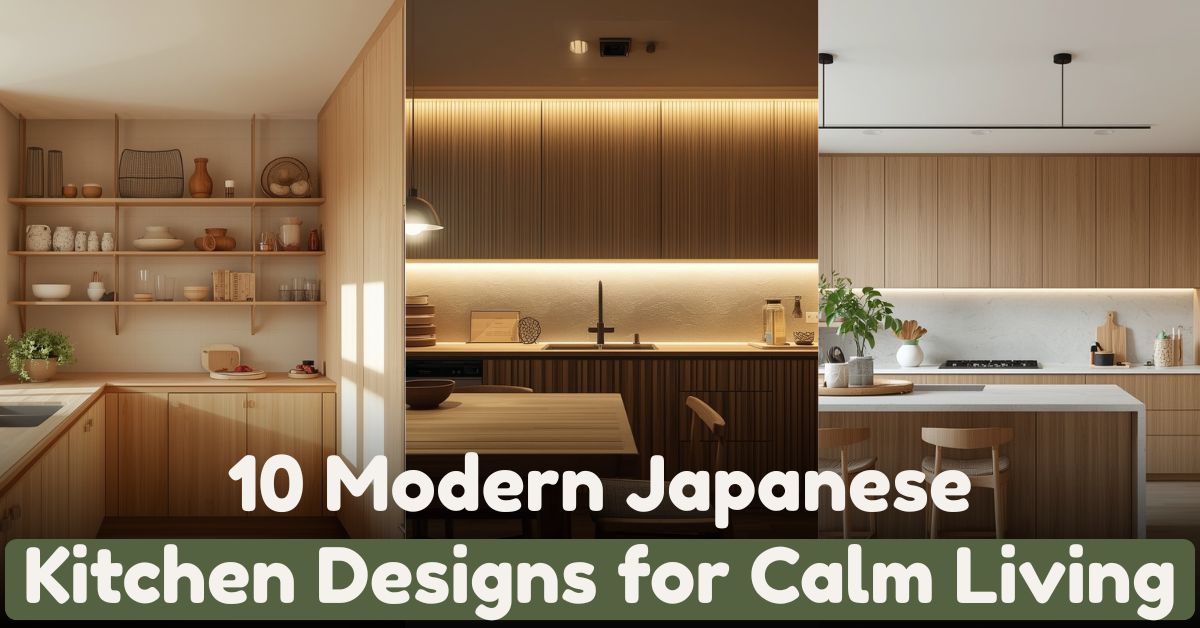
Natural wood is at the heart of many modern Japanese kitchen designs. Soft oak cabinets, bamboo shelving, and pale maple countertops introduce warmth without feeling heavy. Japanese design values organic materials because they age beautifully and create an emotional sense of calm every time you enter the kitchen.
This approach connects cooking with nature. Wooden cabinets paired with neutral walls and soft lighting allow the eyes to rest. The texture helps simplify the space while keeping it visually interesting. When wood is combined with clean lines, storage becomes a gentle part of the overall design instead of a focal point.
2. Japandi Kitchen Design Ideas for a Minimal Look
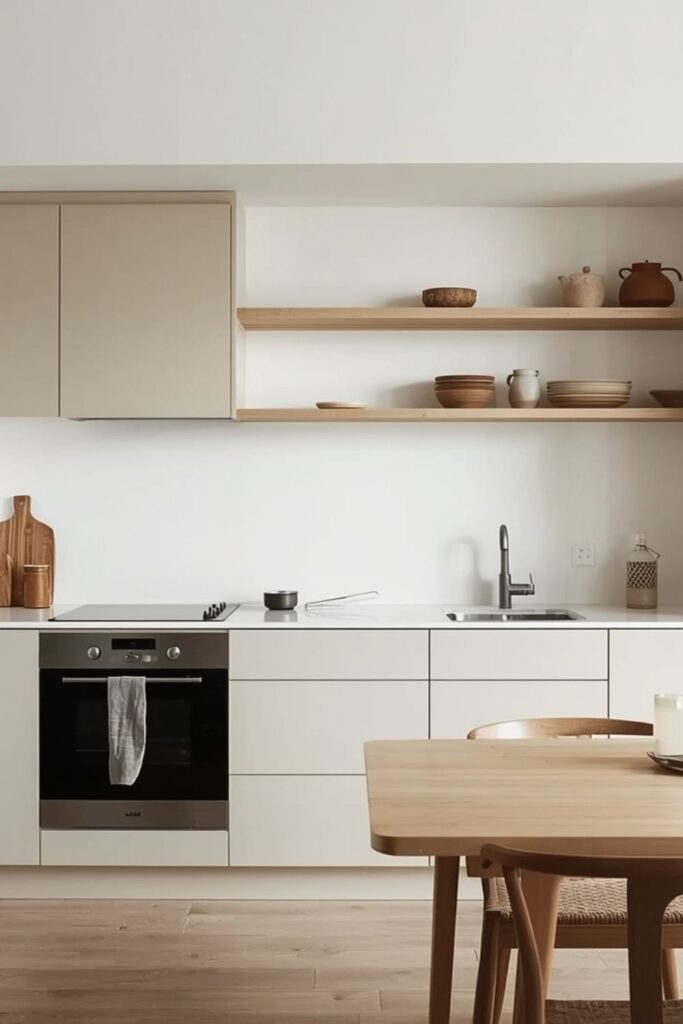
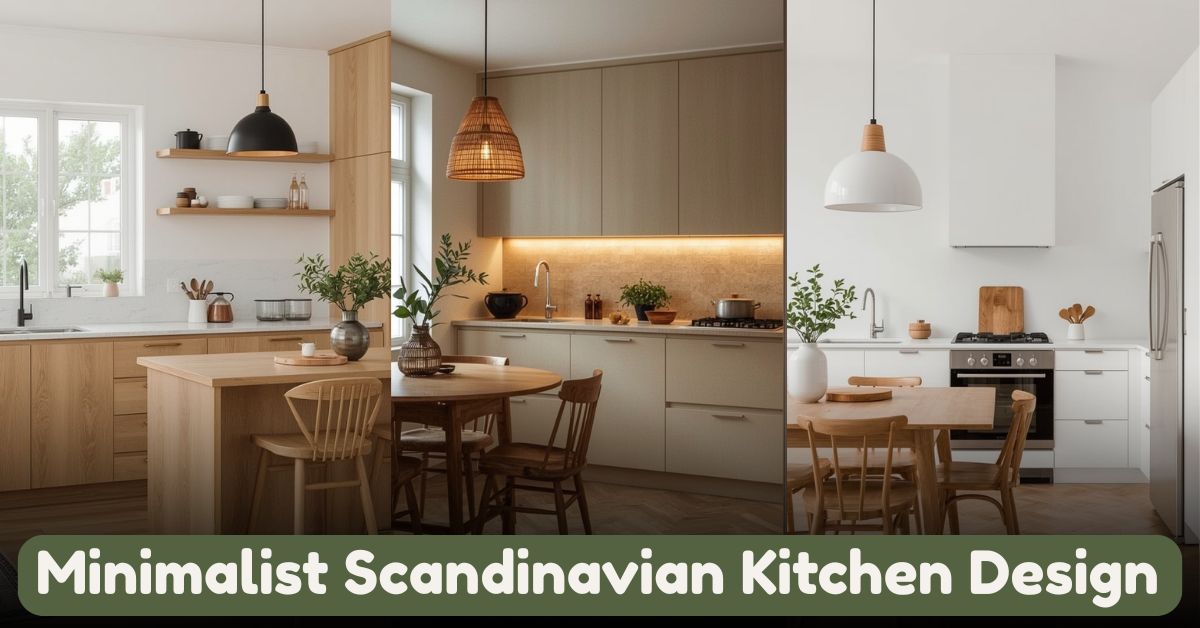
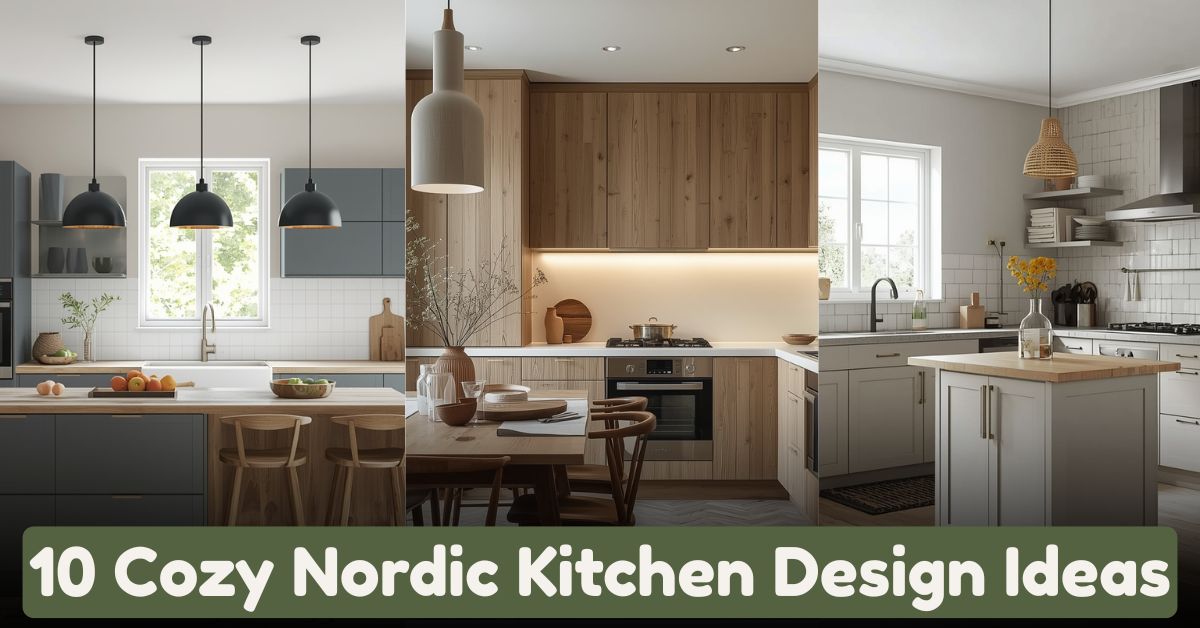
Japandi combines Japanese simplicity with Scandinavian warmth. Many homeowners searching for Japandi kitchen design ideas appreciate layouts that use smooth surfaces, soft edges, and light neutral tones. It offers the comfort of Scandinavian style while maintaining the clarity of Japanese design.
Japandi kitchens often have flat cabinet fronts, subtle shelving, and matte finishes. This style promotes calm meal preparation and quiet everyday living. A Japandi kitchen supports mindful habits such as slow cooking, tea making, and relaxed dining at home.
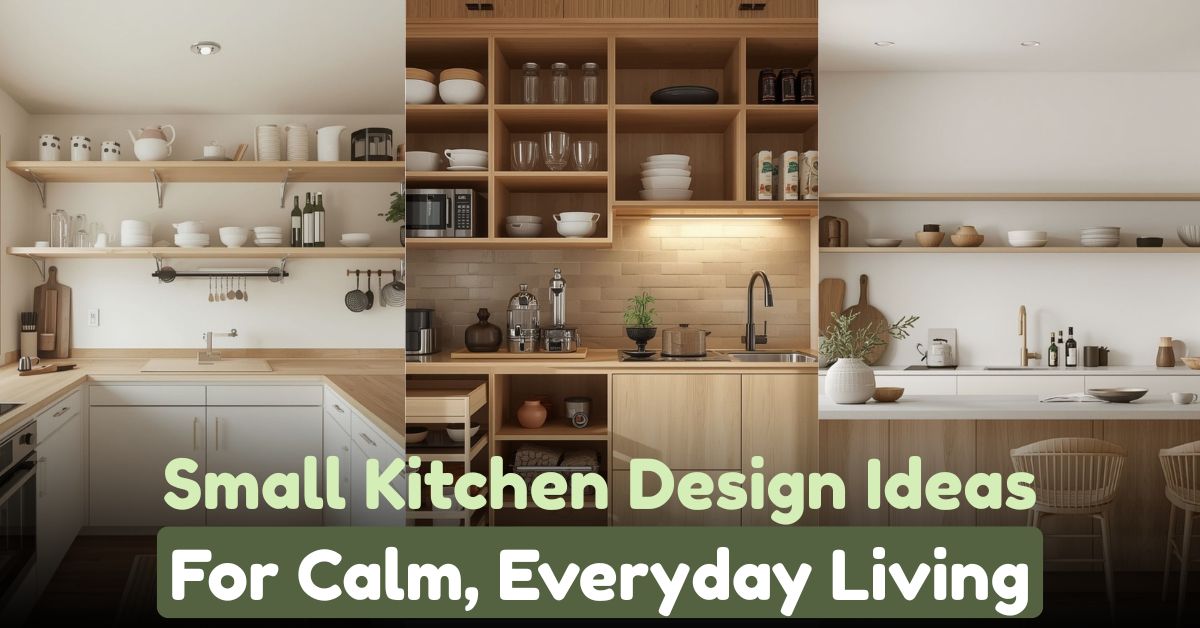
3. Japanese Kitchen Design for Small Spaces
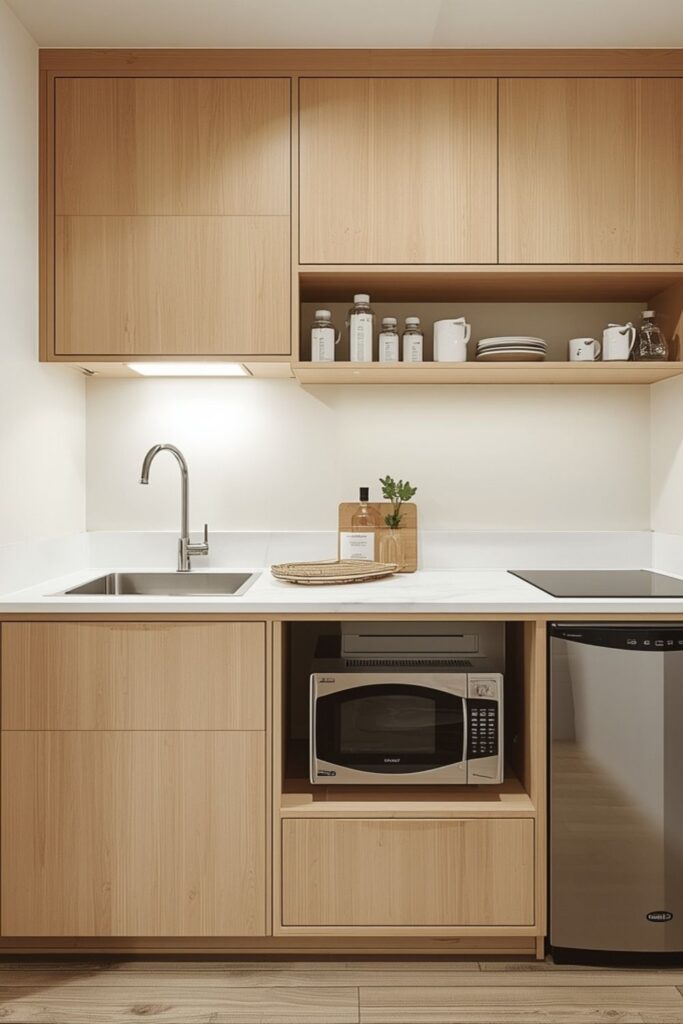
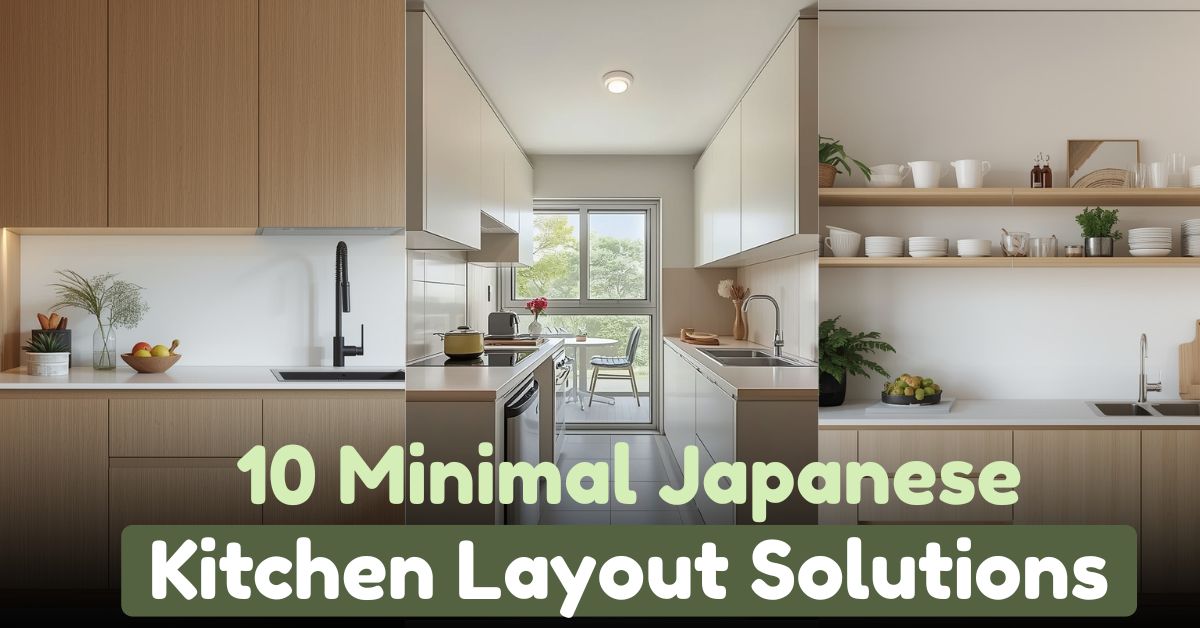
Urban living often requires creative solutions. Japanese kitchen design for small spaces shows how even tiny rooms can feel spacious when simple choices are made. Vertical storage, under-cabinet organization, and compact appliances are essential in tight layouts.
The key is to keep surfaces clear. When counters stay uncluttered, the kitchen looks larger and easier to use. Light tones, hidden storage, and slim open shelves enhance the simplicity. This design supports everyday cooking without crowding the room.
4. Modern Japanese Kitchen Design Ideas on a Budget

Many homeowners think Japanese kitchens require expensive renovations, but calm spaces can be achieved with minimal updates. Japanese kitchen design ideas on a budget often feature affordable shelf brackets, neutral paint, soft lighting, and simple wood accents.
Replacing heavy handles with slim modern ones, adding a soft textile runner, or installing a small rail system for utensils can refresh the space easily. Pinterest boards show simple Japanese kitchen design ideas using low-cost storage pieces and clean vertical organization.
5. Light Neutral Colours Create a Peaceful Atmosphere

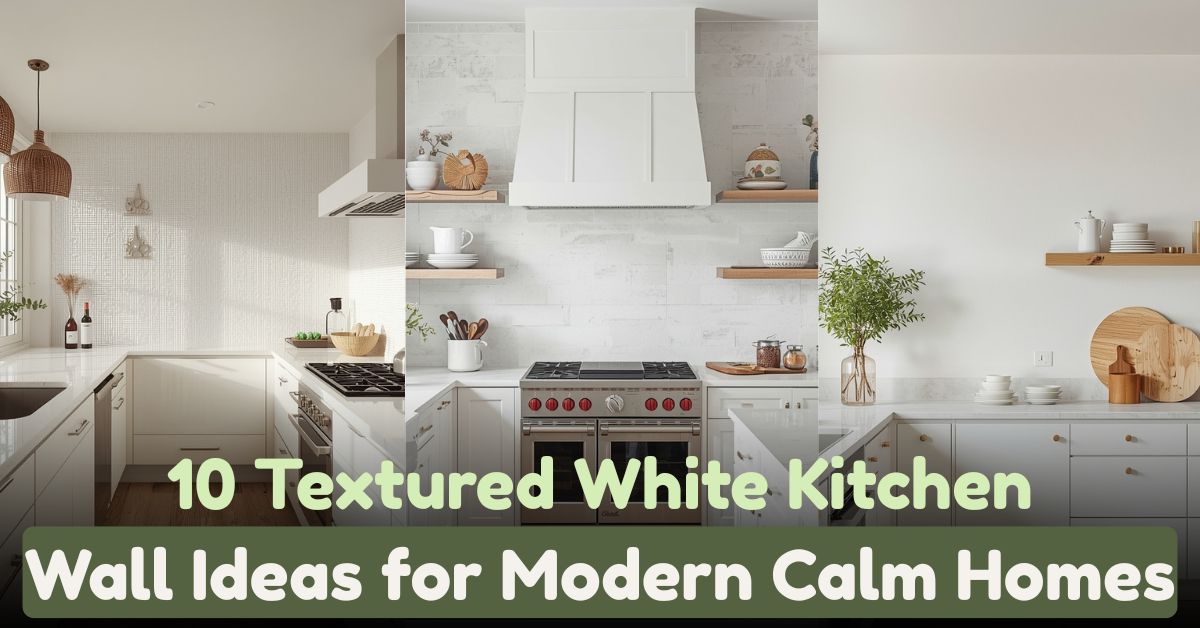
Neutral tones support modern Japanese kitchen designs by keeping the space visually quiet. Soft beige, off-white, pale grey, sand, and warm cream reflect daylight and make kitchens feel brighter.
Light colours create a consistent backdrop where natural materials stand out. In 2026 kitchen trends, soft minimalist colour palettes are becoming more popular as homeowners look for stress-free environments. Neutral tones work beautifully with wood, ceramic bowls, and clean open shelves.
6. Modular Kitchen Units Make Cooking Simple
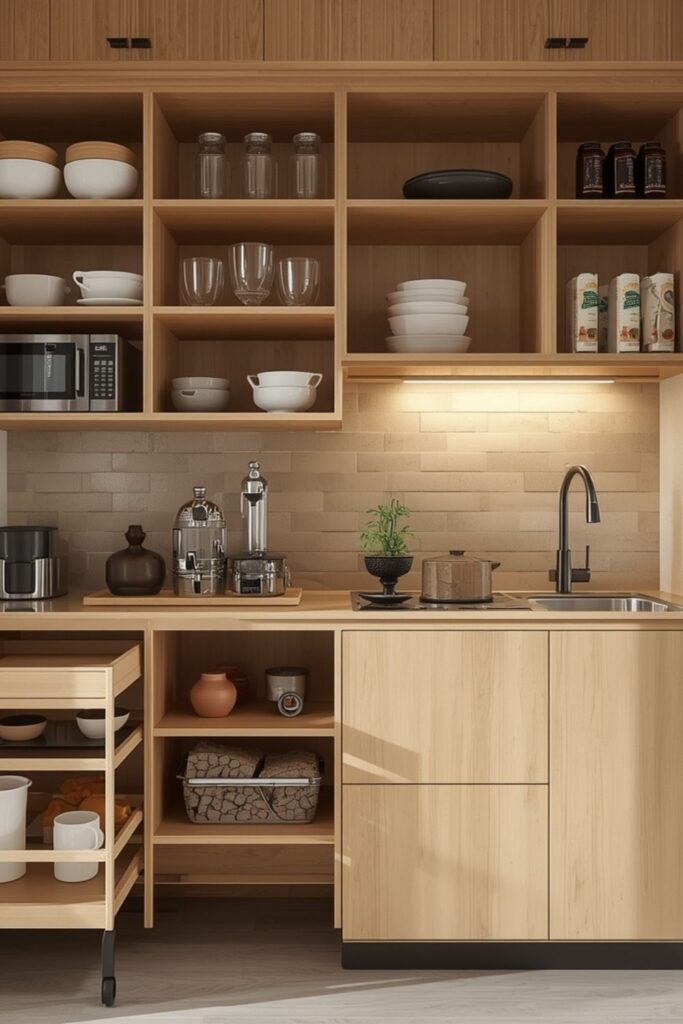
Modular furniture is common in modern Japanese kitchen designs because it helps rooms stay flexible and organized. Slim rolling carts, stackable shelving, and modular kitchen designs photos show how everyday objects can be shifted around with ease.
Modular layouts keep daily items close while freeing unused space. In small apartments or compact townhomes, modular design supports small gatherings, meal prep, and calm cleaning routines. It aligns with the Japanese philosophy of simple living and intentional design.
7. Soft Lighting Brings Calm Routine Energy

Lighting is one of the most overlooked elements in Japanese kitchens. Warm lighting makes a huge difference in creating a peaceful cooking environment. Soft overhead LEDs, under-cabinet strips, and minimalist pendant lights create clarity without harsh brightness.
Soft lighting is essential in modern Japanese kitchen designs because it makes the kitchen feel inviting both day and night. It enhances materials like natural wood and textured ceramic, encouraging slow evening meals and meaningful cooking time.
8. Pinterest Inspiration for Modern Japanese Designs
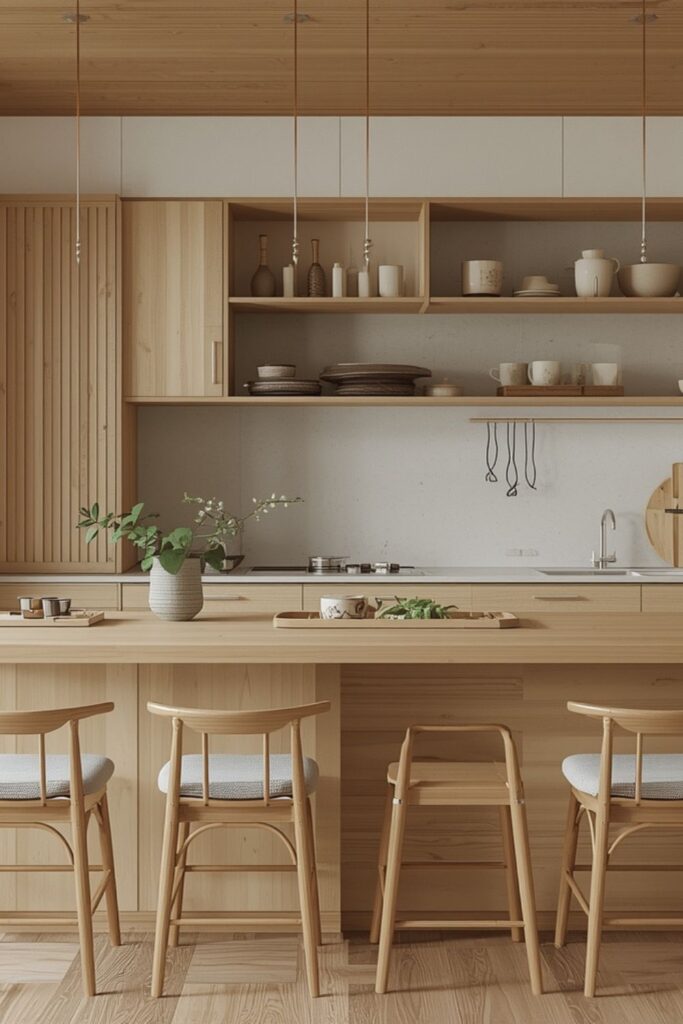
Japanese kitchen design ideas Pinterest boards often show clean drawers, ceramic containers, sliding doors, and open wall storage. Visual inspiration highlights gentle rhythms instead of heavy decoration. The design philosophy focuses on removing visual noise.
Pinterest examples often show breakfast bars with simple seating, bamboo trays, and warm textiles. These decorative details create a rhythm that supports daily routines, making the kitchen feel more personal.
9. IKEA Kitchen Design Ideas for Japanese Aesthetics

IKEA kitchen design ideas offer many Japanese-inspired solutions because of their focus on calm form and natural function. Flat panel cabinets, vertical storage rails, and open shelving systems reflect Japanese simplicity through Scandinavian details.
Minimalist pull-out drawers, seamless countertops, and soft color palettes help keep the kitchen visually balanced. IKEA offers modular pieces that suit Japandi kitchen design ideas beautifully while staying budget-friendly.
10. What Kitchen Style Is In for 2026?
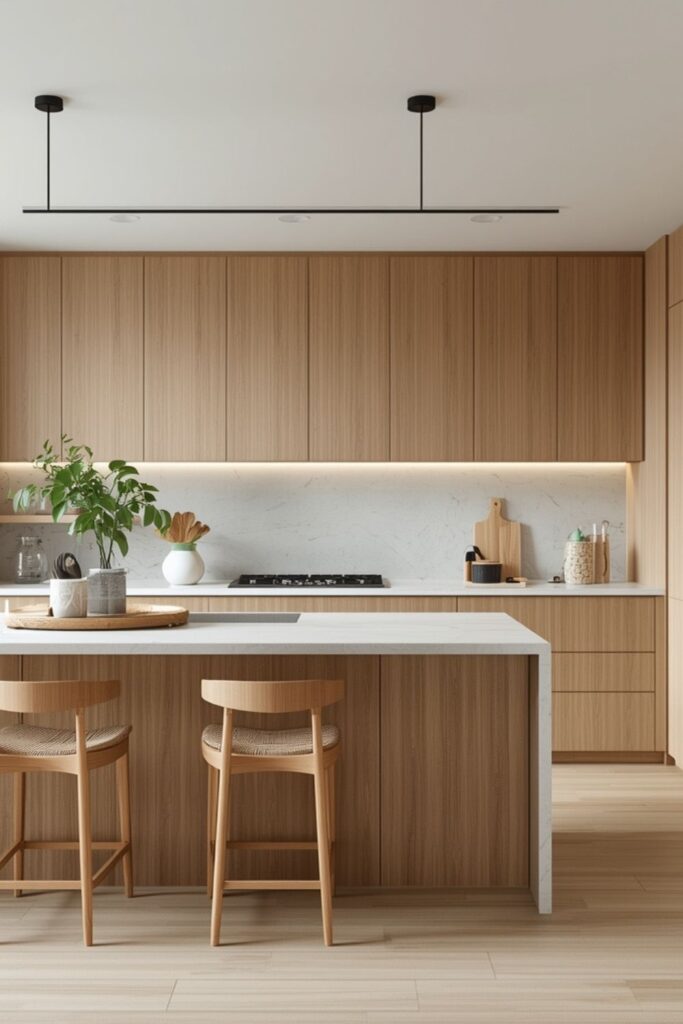
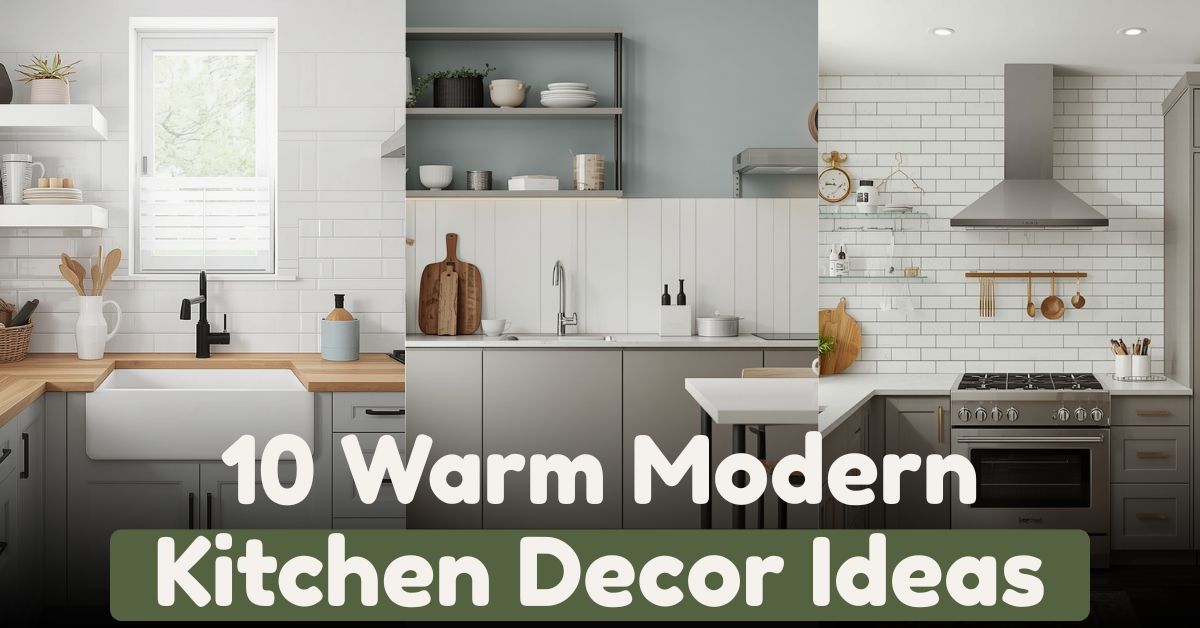
In 2026, kitchen design continues to move toward simplicity and personal comfort. Warm neutral tones, natural textures, and uncluttered surfaces will define modern Japanese kitchen designs. Homeowners will look for functional layouts over decorative complexity.
Modern kitchen design 2026 trends lean toward clean architectural lines, hidden storage, and comforting materials. Kitchens are becoming calm places for everyday rituals, not just cooking. The style encourages thoughtful movement, simple meals, and quiet routine energy.
Conclusion
Modern Japanese kitchen designs create kitchens that feel grounded, soft, and easy to live in. Whether using Japandi inspiration, modular units, or small-space storage, Japanese kitchens offer clarity and balance.
Their focus on natural materials, organization, and warm lighting supports slow living in modern homes. In 2026, the best kitchen designs will continue embracing simplicity and offering calm comfort for everyday cooking and gathering.